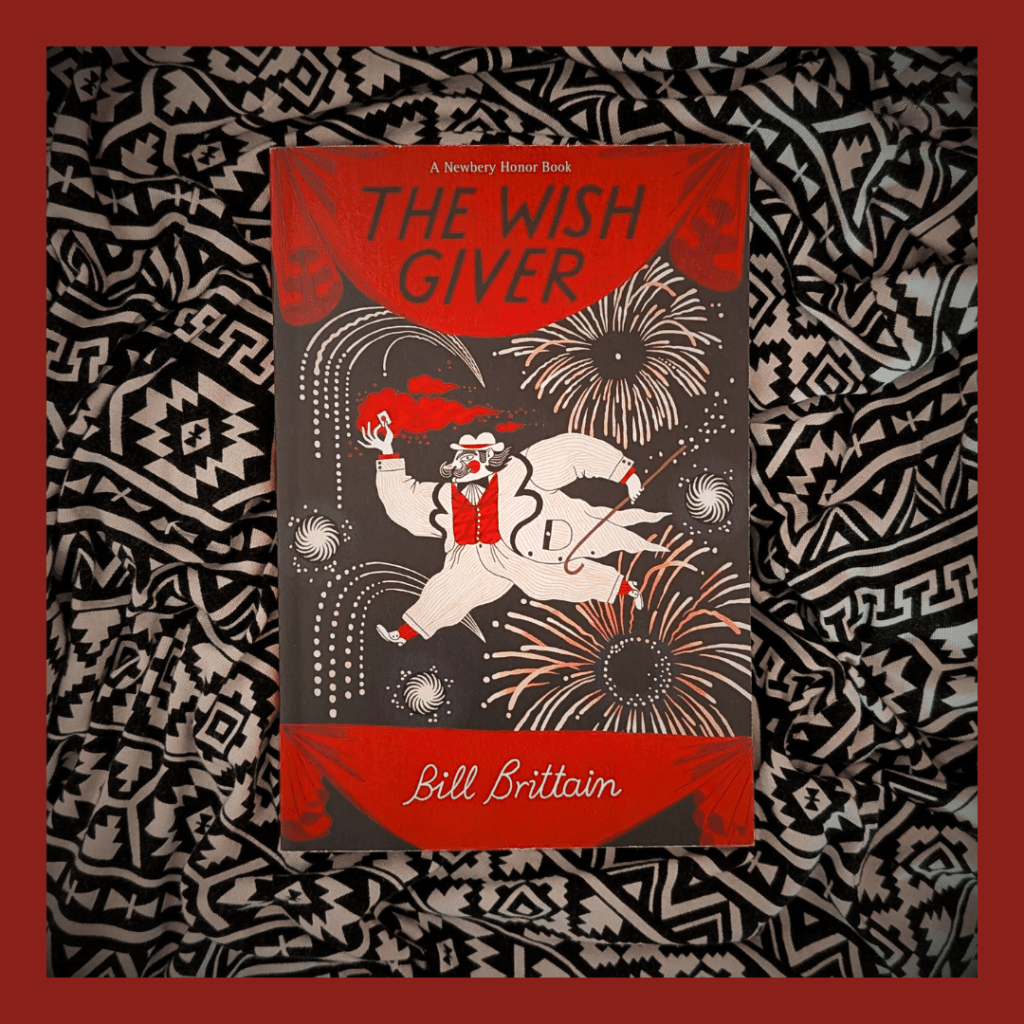
The Wish Giver by Bill Brittain

This was a very short story that I read during my lunch break one day. I am going to say it is a children’s book because it was a very easy read and it took a very short amount of time to finish it. It takes place in a small town in the country during an annual festival. An unusual man shows up, sets up his tent, and waits for those curious enough to see what he is all about. He says he grants wishes, any wish you want, so of course the majority of people don’t believe him. But four people do end up in his tent, and he promises that he will grant each of them one wish in exchange for a very low one time payment. They are all extremely skeptical, but when these characters all find themselves frustrated, they make their wish. None of them believe their wishes will happen, but they most certainly do, just not exactly in the ways they had hoped.

If you aren’t a big reader and want something simple to ease your way into it, this is something I might suggest. Or if you enjoy children’s stories, I would say this is right up your alley. And if you read this story and enjoy it I believe that the author has many more stories like it. I did originally buy this as part of my banned books collection, in an effort to protect stories that certain groups of people want to disappear. I am glad to have bought something that is forbidden in certain circles, but I was finding it really difficult to figure out why this short children’s story was even on some lists. 

I ended up having to do a quick online search to find out why this was a banned book because I really couldn’t see any obvious reason. The reason ended up having to do with what is written on the first two pages, the mention of witches, witchcraft, magic, and ‘creatures of the darkness’. Although magic is a big theme in this story, witches, witchcraft, and mystical creatures are never mentioned again. This very short book is basically a collection of stories that teach a lesson we have all heard before, be careful what you wish for. But apparently just those words, witch, witchcraft, and magic, are enough for some people to find offense. The story as a whole doesn’t have any witches performing witchcraft or magic. I find it silly that just the printed word alone can make certain groups want to keep this book out of schools or even public libraries.
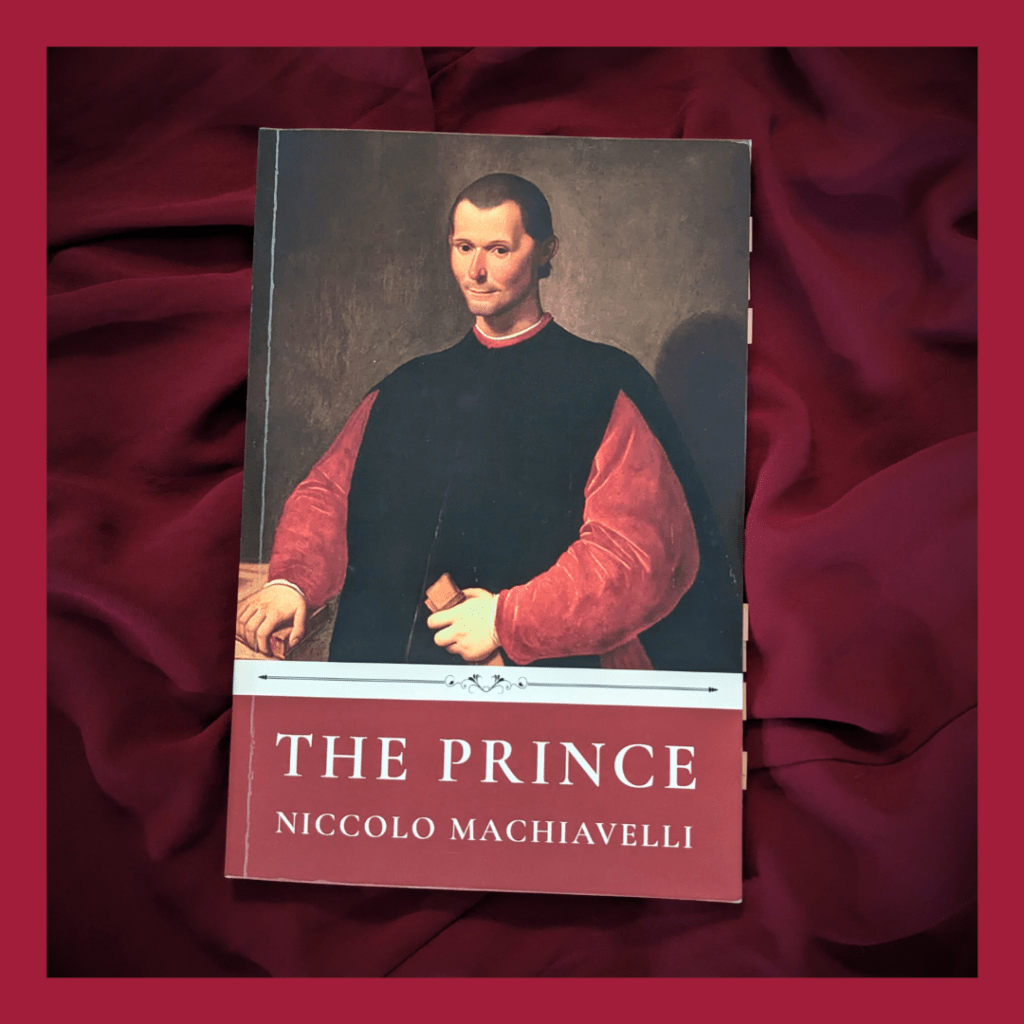
The Prince by Niccolo Machiavelli

A part philosophical, part political text which instructs how to be the best kind of ruler according to the circumstances that lead up to your ascension as well as how to conduct your reign after, this is another book I have acquired for my banned books collection.

I don’t expect to ever be a ruler of any kind, but I can see how this could be helpful if I were to somehow fall into a position of power. Not every person at the head of a country or government deserves to be there, and certainly not all of those people are cut out for it. Whether you have inherited your power, taken it by force, or been nominated by others, Machiavelli outlines how to rule well so that ultimately you can remain in that position. I do believe that there are many people in power today who could take a lesson, or several, from this text.

I can see why this is on banned book lists. Even though it was written in the 1500s, it is still relevant today and the man makes many good points. He makes examples of many things that I think are obvious but apparently they are not so obvious to others. It is a book that gives people something to think about. It will make you question why we allow some glaringly terrible leaders to remain in power. It also gives examples of the things that can happen to bad leaders, which should hopefully have been enough to make those leaders who read this text want to do a good job. And while overly violent assassinations are not so common today, torture, beheading, and dismemberment, just to give a few examples, I would think that wanting to remain in the good eye of the public would be enough to make leaders want to try to do what is best for the people.

I think this is a good book to keep around, but I don’t see myself reading it in its entirety again. The chapters are short enough that you can go back and read only the passages that interest you or that you want to pull an example from. I did mark a few pages, mostly excerpts that I found had relevance to the current political climate in this country. There was one very small paragraph towards the end that irritated me, regarding beating women, but I tried to remind myself that this was written during a time when women’s rights were pretty much non-existent and to not get too worked up over it. I didn’t let that one passage change my entire opinion of the text, and notwithstanding that I would recommend reading The Prince as well as have you consider adding it to your physical book collection.

The Call of the Wild by Jack London

I don’t read the classics very often, but this novel is part of a collection that I am slowly gathering. I decided, for reasons I won’t get into here, that I should start buying physical copies of banned books as well as books that have a possibility of being banned in the near future. This novel was on one of those banned books lists.

I didn’t know much about this book going in, I think the only thing I knew was that it was going to be outdoorsy. I was intrigued when I saw that the story started off written from the point of view of a dog. I was skeptical when I started to realize that the entire story was going to be told from his perspective. But by the end of the story I realized that this story, a piece of historical fiction, needed to be written from the perspective of a dog to really get across what a terrible time it was to be a dog in that part of the world. So while this is a piece of fiction, a lot of what occurs could be events that actually happened. During the gold rush of the 1890s, when man realized that traveling in the harsh, cold winters in Canada couldn’t be done by horse, they turned to dogs. Dogs were bought, sold, traded, and stolen, and they were all worked to the bone pulling sleds while living on meager rations and forced to sleep outdoors in the snow at night. I understand now why this book was on a banned list as I could see why public schools might not want their students to read this. There are many passages in this novel that would upset animal lovers.

I don’t think this is a book I will read again, once was enough in my opinion. Even though my new philosophy is to donate books that I know I won’t read again, I think I am going to make an exception for books that I bought as part of the banned collection. Chances are slim that this book, as well as many of the others on my list, won’t be destroyed completely, but I think it is important to preserve literature and I will do my part.