The First Girl Child by Amy Harmon

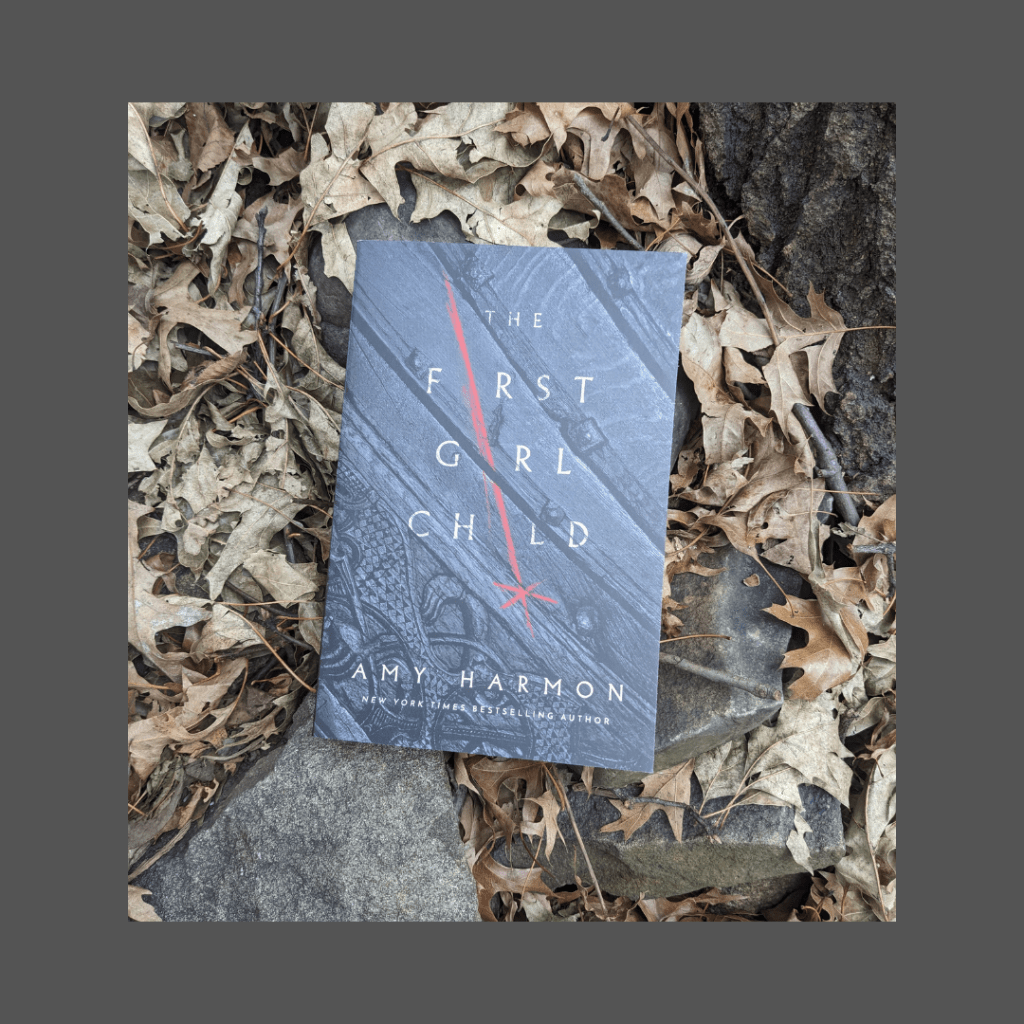
I amused myself by selecting a book with the word ‘first’ in the title to read as my first review of the year, and I didn’t even need to go out and buy anything as I already had The First Girl Child by Amy Harmon in my to be read pile. I was drawn to it because the cover called to me, it alluded to an ominous story within. So I was a bit taken aback when instead of horror I got a Nordic inspired tale of curses, clans, and destiny. 

The very little I do know about Nordic lore comes from watching the Thor movies of the Marvel Universe and seeing a little bit of the show Vikings. I don’t know how prominent runes are in the Nordic culture, or if they are just one of the fictional elements of the book, but this story has them as a central societal pillar. The fictional island nation of Saylok consists of six clans that surround a central kingdom and their temple. Keepers, men of Saylok that have felt a calling to the temple, live their learning about the power of the runes and keeping that power safe. The Keepers understand the importance of not letting the runes be used or understood by just anyone, as putting power in the hands of the wrong person can yield terrible consequences. And this is exactly what happens when Desdemona, sister of Keeper Dagmar, is wronged and wants vengeance. She curses the entire island in her anger, thus beginning a drought of sorts on the people of Saylok. 

This is actually a really great tale. It is not overly complicated, it is classic. It has a villain, a hero, a love story, or two, conflict, and resolution. It is also a standalone, as far as I know. But if you read it, and like it, the author of this book has written many others that you can check out. When I find a new author, and I like what I have read, I am always curious to see what else they have written to see if it is just as good. And I plan on reading more books by this author in the future.
The United States of Cryptids by J.W. Ocker

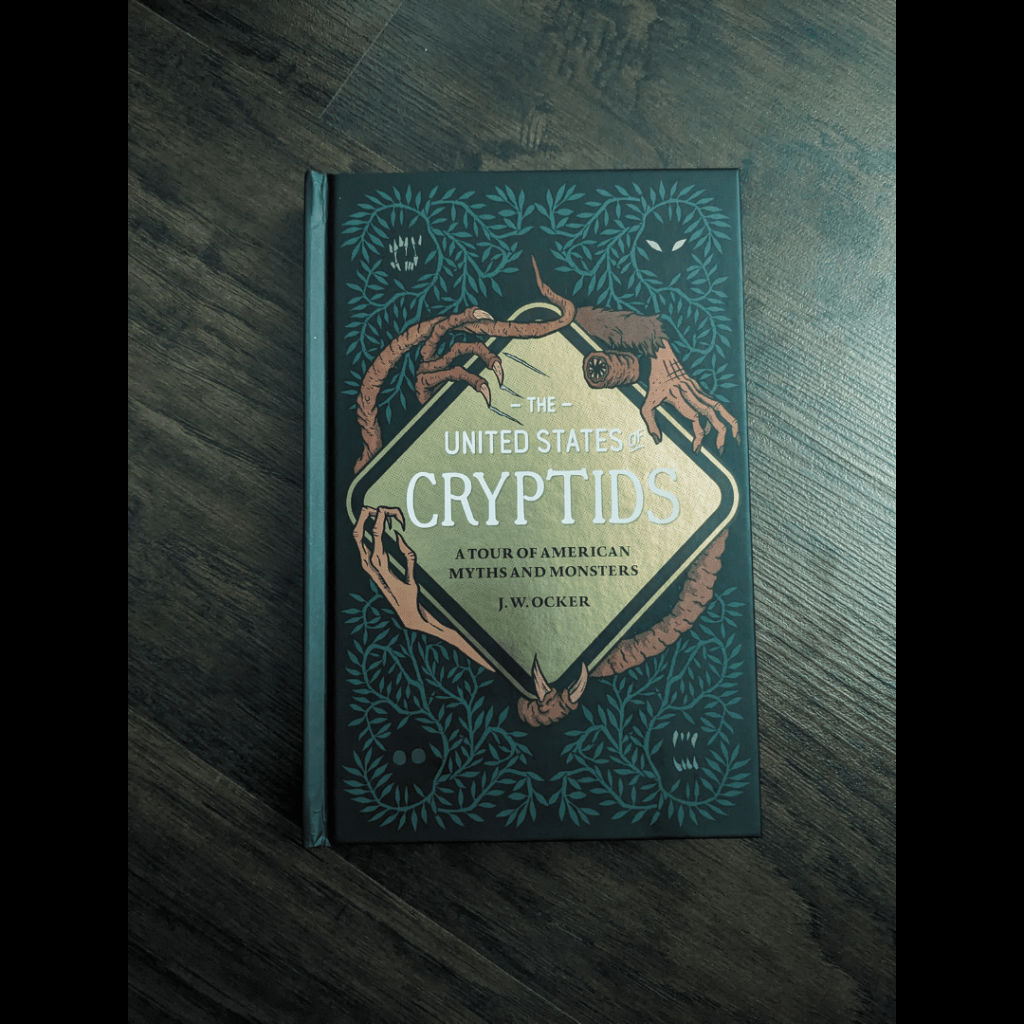
I wanted the last book I reviewed this year to be something fun and silly. I think I made the perfect choice in this beautiful hardcover book about United States cryptids. 

Why do I even own a book about cryptids? I was watching a playthrough of a game I myself had played and it came to a scene in which there is an encounter with the Jersey Devil. Even though I have lived in New Jersey my entire life, have heard tales about where you might be able to find him if you really want to see him, and have been surrounded by NJ Devils hockey fans, I had no idea why the Devil was associated with New Jersey. As someone who enjoys learning the why of things I decided that it was past time for me to learn about my states namesake of a cryptid.

This book mentions a lot of the more famous monsters and creatures of legend in the U.S., each one being given a few pages of information about the first sightings or origins and sometimes an illustration. Some of the cryptids were scary, some silly, and the short entries of some of them had me wanting to learn more. Reading about a creature called the Ozark Howler made me curious enough to look up what an elk bugle sounded like since its call has been compared to that. I was reminded of a game I enjoyed watching when I was reading about the Wendigo which then made me consider purchasing it and trying to play it for myself. I did learn where the Jersey Devil came from and how it got its name, and I became more curious to learn more about him since his entire history in this book was limited to a few pages. 

Overall, the book is a fan piece written by a man whose biggest hobby it seems is cryptid hunting, not just trying to encounter the cryptids themselves but also in hunting down their stories. This man traveled the country chasing down these stories, visiting museums, festivals, and encounter sites, to get the material for this book. It almost feels as though the towns themselves paid this man a fee to include their local legends in his text in order to encourage more tourists to come to their towns and spend their money on site seeing, monster hunting, and of course, trinkets and souvenirs, to boost their economy. He actually does encourage the reader to go and visit some of these places in a very salesman-like way. That was the only thing that bothered me in the slightest about the book. I appreciate his passion, having something in your life that moves you is a great thing. 

However, he made a comment that kind of irked me. He said something along the lines of proving that a cryptid exists is the worst thing that can happen to a believer. Taking a ‘fake’ creature and turning it from cryptid to legitimate animal or being ruins everything. But I’ve always been of the mindset that isn’t that what the people want? Aren’t they so passionate about their monsters because they want to prove that they truly exist to all the non-believers? It just didn’t make sense to me. I know I would be absolutely delighted if the Jackalope was proven to be a real animal, and not just a cryptid tale that started after a set of brothers attached a pair of antlers to a rabbit for fun. 

Death by Laura Thalassa

This was my favorite book in the series and I am going to gush about it. In the previous three books Death has been described as the worst of the horsemen, and this led me to believe that I would like this tale the most because I always fall for the villain. And there truly is no one more villainous than Thanatos himself. Add to that that the female main character, Lazarus, is something special herself and I couldn’t help favoring this story over all the others. She is not an ordinary mortal woman like the paramores of Pestilence, War, and Famine. From the moment Death meets Lazarus he knows that she has been made specifically for him, as his temptation, his test. This woman does not die from his powers. On top of that, she also cannot be killed by touching his skin as all other mortals do. And every time Death attempts to kill her, she comes back to life in the same way that the horsemen do, healing slowly, regenerating. 

Death and Lazarus dance around each other for months in their unique love/hate relationship. Lazarus, like the women before her, is determined to do anything to stop Death and save as many people as she can. Death, the most powerful and stubborn of the horsemen, is determined to succeed where his brothers have failed out of both duty and spite. But succeeding in his purpose would mean the loss of the one thing, the one person he has ever wanted, Lazarus and her love. I don’t want to spoil anything, so I’ll leave it up to you to find out whether or not Thanatos ultimately decided if humanity was worth saving. 

One of the big things I really liked about this series was the very vague physical descriptions of the female main characters. With each book I read I wondered if it was intentional. We know that Sara has hazel eyes and brown hair, Miriam has dark brown hair, Ana has curly hair, and we don’t know what Lazarus looks like at all. The physical descriptions diminish with each book and I wonder if it is some kind of metaphor about the four horsemen and the meaning of life. Or it could just be the author’s way of allowing the readers to see themselves as the main character. It is easier to do so when you don’t have a physical description of what they look like. 

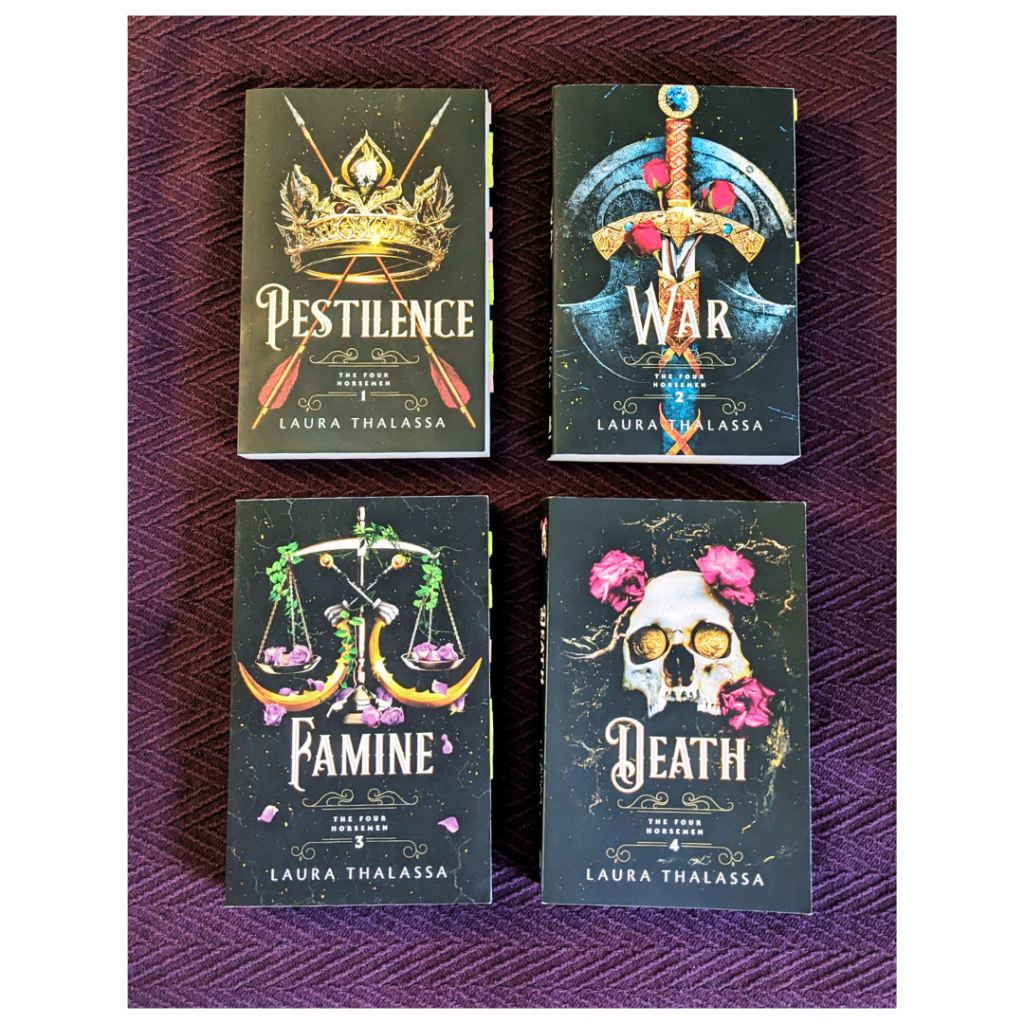
This is definitely a series that is worth reading and rereading. I know there are a lot of people out there that are skeptical about getting into a book because it is currently popular, but I am telling you that these four are ones that will not disappoint. They are primarily romance novels, dark romance at that, but there is depth in the religious and philosophical tones and themes of loving your fellow man, change, and sacrifice. I would also like to mention that they are some of the most beautiful books that I own. They currently only come in paperback, but the cover art is stunning and the covers have this velvety feel that makes me really enjoy touching them. The font style and size suit the tale, which is something that can make or break a story for me. I can’t wait to have a proper room with a big bookshelf so that I can proudly display them and look at them all the time. 

Famine by Laura Thalassa

Sixteen years after the Four Horsemen were first spotted on earth, after Pestilence and War gave up their purpose and their immortality for love, their brother Famine makes his first appearance. The story begins eight years after Famine is brought to life, making his reign of human slaughter the longest so far. War was right when he warned Miriam that Famine was amongst the worst of them, and he becomes even more inclined to kill after he experiences some of the worst of humanity.

The way Famine makes his way around the world fulfilling his duty is somewhere in between the methods we saw from War and Pestilence. Sometimes he is a lone rider, sometimes he has a small gang of men with him. He seems to not only truly enjoy killing but in being unpredictable. By the time he encounters Ana, a Brazilian prostitute who he takes captive, he has made his way around almost the entire planet, something his brothers never even got close to accomplishing. He has not only been destroying crops in order to starve humans to death, he has been finding great joy in killing people immediately, by either crushing them with plants, or having his followers stab them and throw them into pits or piles where they are either buried or burned. 

Knowing that there is one more book to follow, I don’t think I need to tell you that Famine changes his ways for Ana. And tying into that, I was correct about the angelic sign. Ana did something that made Famine believe that she was meant to be spared in the moment, but ultimately it was her kind nature that made him decide to stop killing. In doing so, he was convinced to give humanity one chance to change his mind, stating that he would decide whether or not he would continue his purpose at the end of her life. But when he takes a moment to consider what his life might be like when Ana dies, he decides that he does not want to know, he does not want to exist without her. He decides that he too, like his brothers before him, wants to become mortal so that he may grow old with his love and die when she does. This decision triggers the birth of Death and it makes the end of this novel so exciting! We get to see Death in action before his dedicated book. And all I could think of during these last few pages was how will any woman be able to make Death love her? He truly seems not only the worst of the four, but worse than the other three horsemen combined. I am not sure if this story will even involve a love interest for Death, the end made it feel like things might go in a different direction, but I won’t spoil it for you. I really need to see what happens. I am very motivated to start reading Death so you can expect a review of the final book in this series next week along with my overall thoughts.

War by Laura Thalassa

The first book in The Four Horsemen series ended with Pestilence, now going by Victor, telling Sara that he felt his brother War waking up, exactly five years after Pestilence made his appearance. Book two opens up three years after War has come to earth where he is currently conquering near Jerusalem. 

We see a lot of differences when it comes to War and his brother Pestilence. War is more aware of human nature than his brother Pestilence was, as we first see him three years into his campaign whereas Pestilence was just starting out. War, besides having been on earth for a longer period of time when we are introduced to him, has the experience of living alongside humans whereas Pestilence was a lone rider. He seems to understand human ways more because of this compared to the way Pestilence seemed to struggle to understand certain things. Understanding humans does not give War any mercy or remorse, however. War truly enjoys his purpose, murder, slaughter, battle, raiding and pillaging, this all brings him joy, which differs from Pestilence, who stated several times that he did not enjoy doing what he did. This makes War feel all the more evil.

Almost immediately into the story the female lead, Miriam, comes face to face with War. Upon seeing her up close he claims that she is his wife so instead of killing her he takes her into his camp to live with him. War states later on that he spared Miriam’s life because she had a scar on her neck spelling the word ‘surrender’ in the angelic language. Pestilence didn’t kill Sara by either infecting her with his plague or with his bow and arrow because he saw the angelic word for ‘mercy’ spread on her tent in the light coming through the trees. I am predicting that the remaining two horsemen will see a sign in their language that in some way convinces them to spare the life of a woman, and this woman is the one that will convince them to spare humanity, as Sara and Miriam did. Speaking of which, I loved how the reason War decided to stop killing was because he asked Miriam if she thought he could be forgiven. When she said yes, he reasoned that if he, a terrible being whose sole purpose was to kill as much of humanity as possible, could be forgiven, then humans as a whole could as well. 

Overall, I loved this book. I was barely able to restrain myself from starting Famine before writing this. I was tempted because I loved the end of this book, which if you don’t want to know, don’t read past this, just know that I recommend War.

We actually get a very brief glimpse of the birth of Famine! War, like Pestilence, feels his brother coming to life at the very end of the book. We are then taken to the man himself as he is being born. We get a description of his eyes, his armor, and his smirk, he is happy to finally be awake and begin his mission. This is the first time we have seen the actual birth of one of the horsemen, and it really intrigued me to see that he was born excited to fulfill his purpose. I wonder if he will be worse than his previous two brothers. War indicated that the remaining two horsemen were the worst of them and I can’t wait to see in what way this is true.